Ecological Identity: The Importance of Playing Quality Football

By Gaspar Vallecillo Castro
“The ecological identity lies in the system’s ability to maintain its functional coherence despite the variability of the environment.” — Passos et al. (2016)
With fewer than fifteen days remaining until the 2026 World Cup, football — the most important sport on planet Earth — seems immersed in a palpable identity crisis. Teams and national sides run far more than they actually play. Paris Saint-Germain, Bayern Munich, or some national teams such as Spain are sporadic exceptions; football increasingly appears to have become a game of waiting for others to make mistakes rather than relying on one’s own capacity to play, to immerse oneself in the chaos and uncertainty generated by confrontation with an opponent. From the perspective of training methodology, this phenomenon can be understood as training plagued by reductionism and the formation of automatisms, without truly understanding how essential variability is and how it impacts the real game.
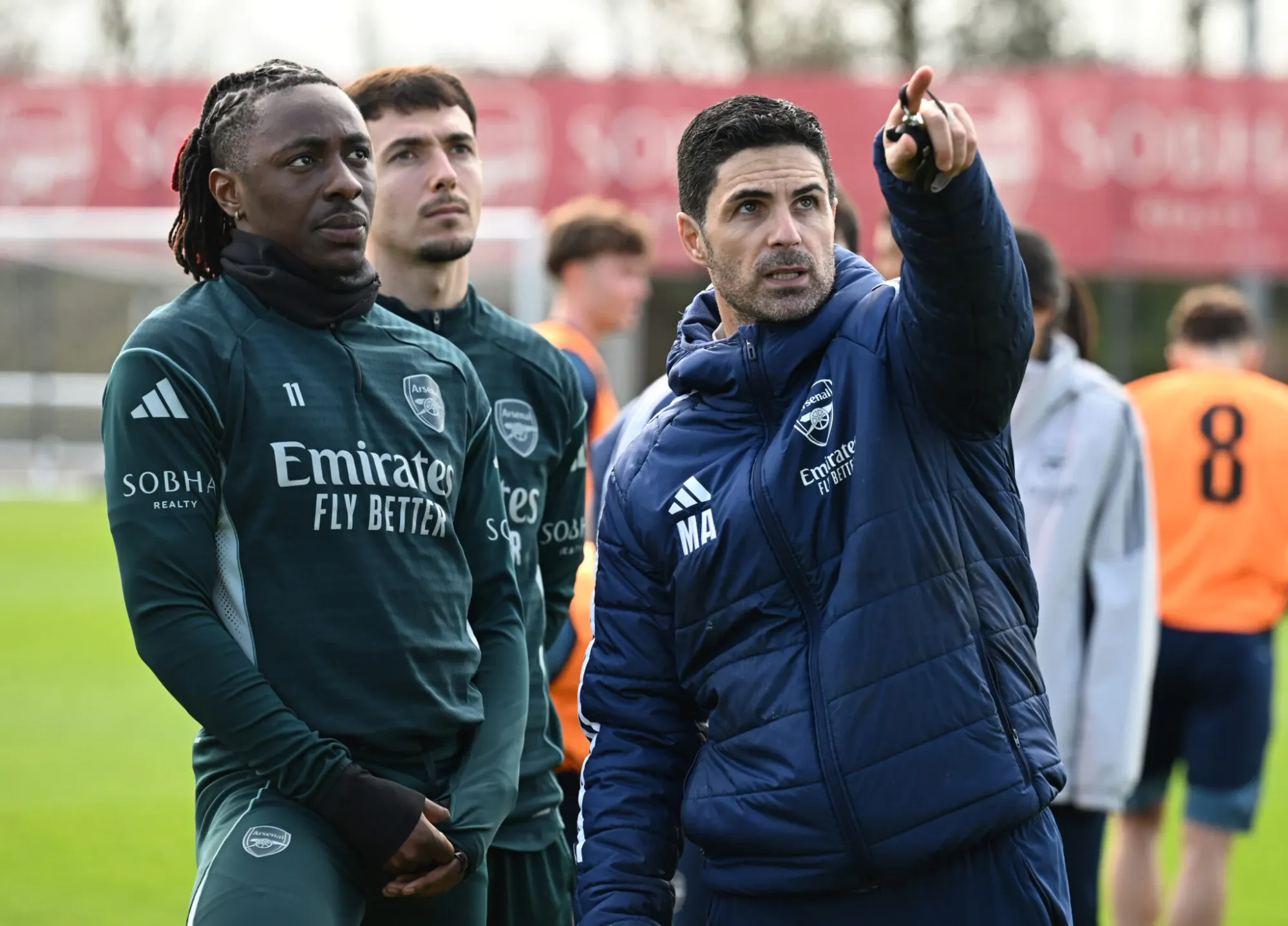
Training must be the solid foundation for creating habits, not automatisms. Understanding that a habit is a stable yet flexible behaviour that allows openness to more and better decisions through the capacity to adapt to variability. An automatism, meanwhile, is a mechanistic repetition of cause and effect with evidently closed solutions. These realities expose the way some teams play compared to others. Much depends on the coach’s sensitivity and on whether or not he seeks to improve the footballer. Helping players grow in a sport where scoring more goals than the opponent is the objective means transmitting knowledge of the game, of their possibilities and advantages with the ball, and of the importance of recovering it as quickly as possible.
The following text seeks to vindicate those who played the best football — the national teams, clubs, coaches, and players who moved us emotionally and promised football supporters that the poetic essence of the game still held hope for our palate. Let this serve those readers who wish to live through football well played, through a game expressed spontaneously, far removed from massive interventionism and full of harmony; because this identity can still be recovered.
On April 22, 2019, journalist Cristian Grosso published an interview for La Nación on its website. The interviewee was Ángel Cappa, a promoter of football as collective representation. The first question asked was: “Where is football heading?” To which Cappa responded:
“People are becoming less demanding, but when a team appears (…), people immediately identify with it, which means that this sensitivity is waiting for stimuli.”
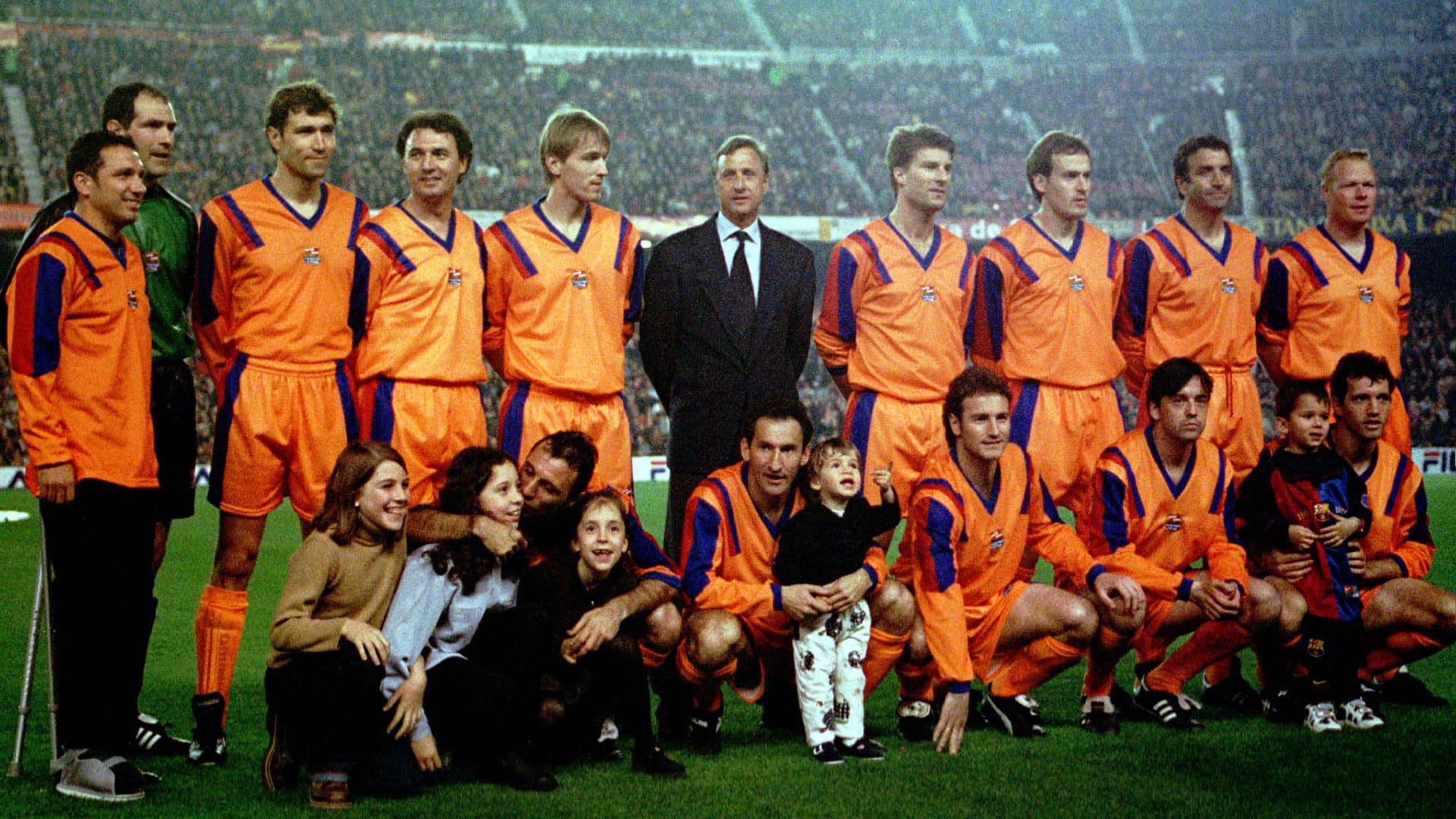
Along the way, we will always remember those who tried to play football beautifully as a sign of identity, belonging to a constructive process that does not alter and whose essence of play can remain intact despite existing within highly variable contexts and enduring the irreversible passage of time. That is why Brazil 1970, the Dutch “Clockwork Orange,” Cruyff’s Dream Team, Guardiola’s Barça, and PSG in last year’s final against Inter continue to live vividly in the memory of so many. That is also why the master Dante Panzeri left us with an immortal phrase that frequently circulates online when comparing the past and the present:
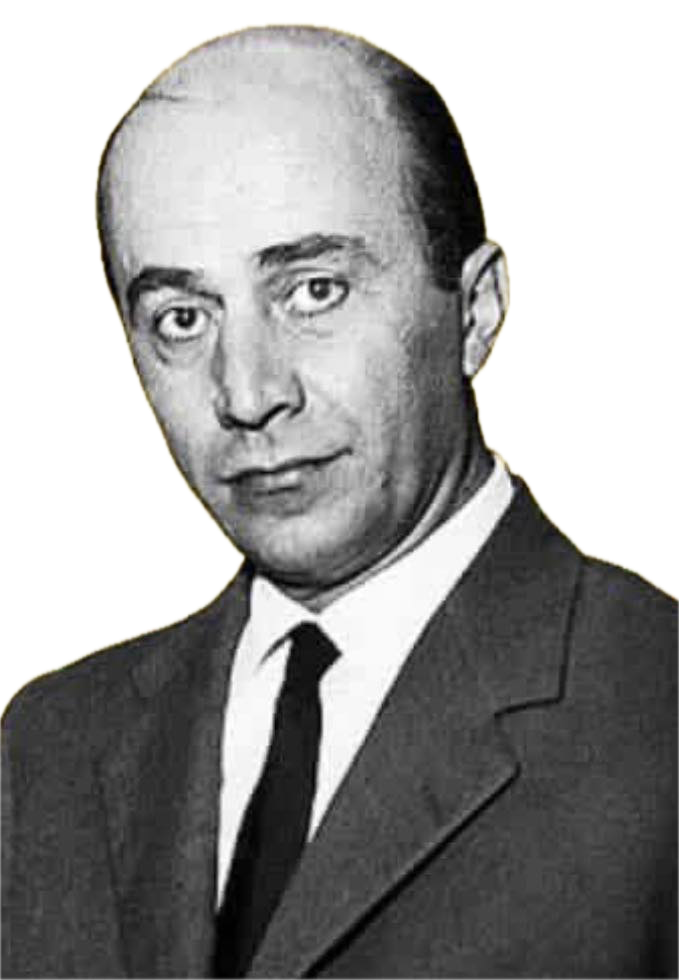
«There is no old or modern football, only football that is well played or badly played.»
Dante Panzeri
A football thinker and artist of words, Panzeri conceived playing as an adventure; surely that is what it is all about.
Among all the teams and national sides mentioned above, there is a common denominator: treating the ball well. Being brave in circulation and in recovering possession under conditions that allow playing again. A team that retreats in order to defend is a team consumed by fear and gradually eliminating its own advantages because, from the emotional-volitional structure, the footballer plays through both his own emotions and those to which he is exposed from others in a circular causal relationship. I dare to write these words from the deepest and purest intentions filled with football. We have allowed the taste for good football to fade away, and we are left with fewer and fewer references.

«Football has much more of craftsmanship than science.»
Óscar Pedro Cano Moreno
It would be very generous of me to speak of a football that no longer exists, one that the passage of time decided to forget, while we are now forced to endure matches far removed from a clear intention. For this reason, throughout this journey we will vindicate those who know how to use the ball in order to play. Let this text be the prelude to many others, where the real intentions of playing football well are written about, with everything this idea represents and encompasses. We know it is not only about the ball, but also about which spaces we move into with it, how we overcome opponents, how we understand one another in order to know where to coexist and how to play together; in the end, everything comes down to that.
Knowing what we play means finding ourselves. Watching El Clásico between Barcelona and Real Madrid on Sunday, May 10, 2026, it became very evident that football within these teams has lost the references that once existed. Those antagonistic styles that once gifted us extraordinary football have disappeared, leaving behind a timid, poor, and uninspiring game. La Liga is no longer La Liga. It is painful to realise that Barça long ago abandoned the intention of playing positional football and has become a team of high pressing that runs more than it actually plays — because that is what it is now called. And since Toni Kroos left Madrid, football itself is barely discussed there anymore; such was the importance of Toni in the white house.
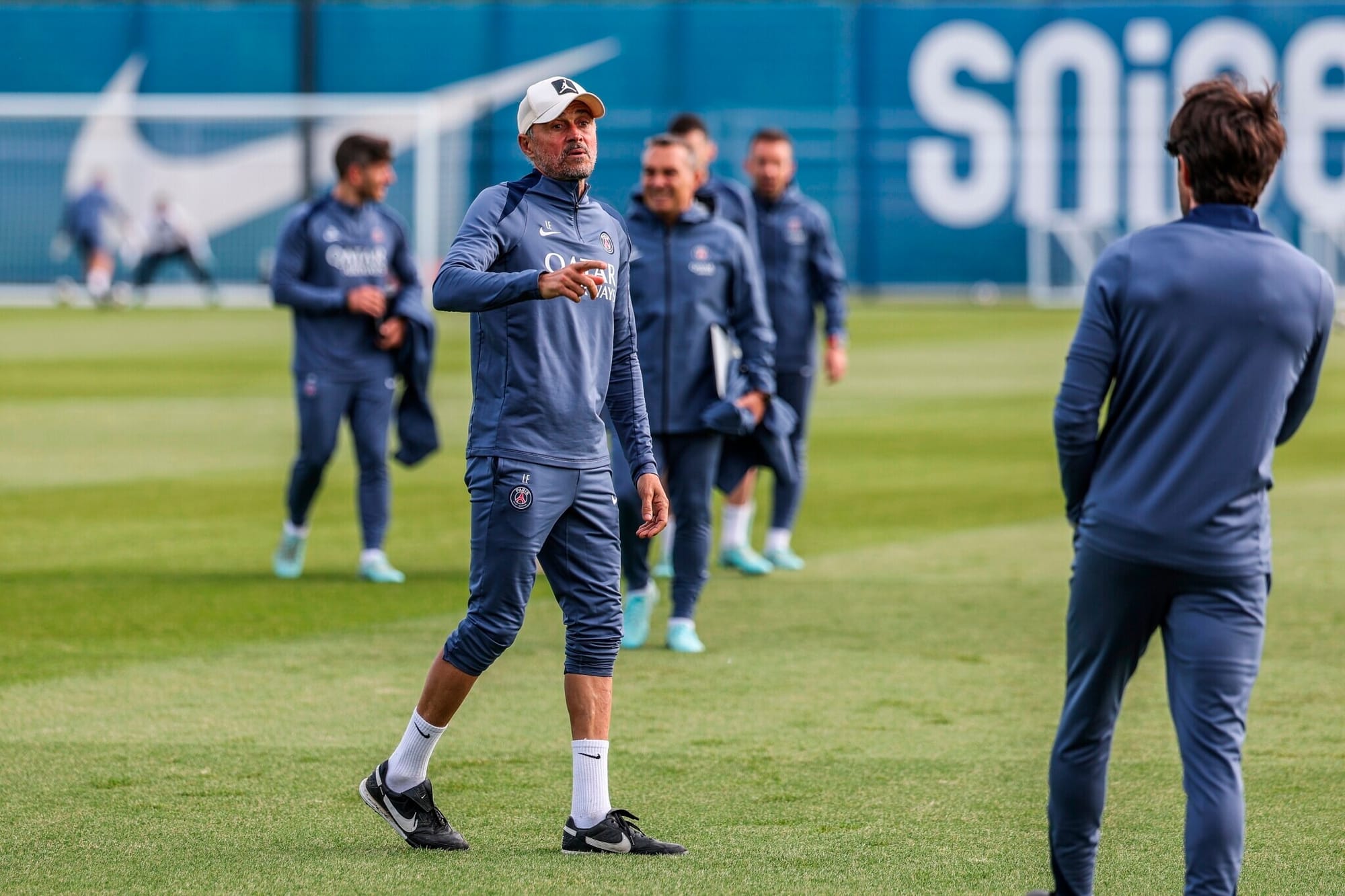
Knowing what we play means understanding one another. Paris Saint-Germain has been the best team in the world for two years. It has the most demanding and passionate coach, the one who best connects with his environment; the midfielder who conditions time and space as if that were easy; the most destabilising winger in today’s game, who still has stories to tell; and Ousmane Dembélé, once doubted as a Ballon d’Or candidate, among many other top-level players. We turn our gaze toward the most powerful club of the moment, not because of its economic power, but because of the inherent connectivity of a structure that is more than merely sporting — it is also sociocultural, deeply embedded in Parisian behaviours, and has spent far more than a short period of time managing egos.
Surely there will be another opportunity to write again about the game that made so many of us happy. Until next time.
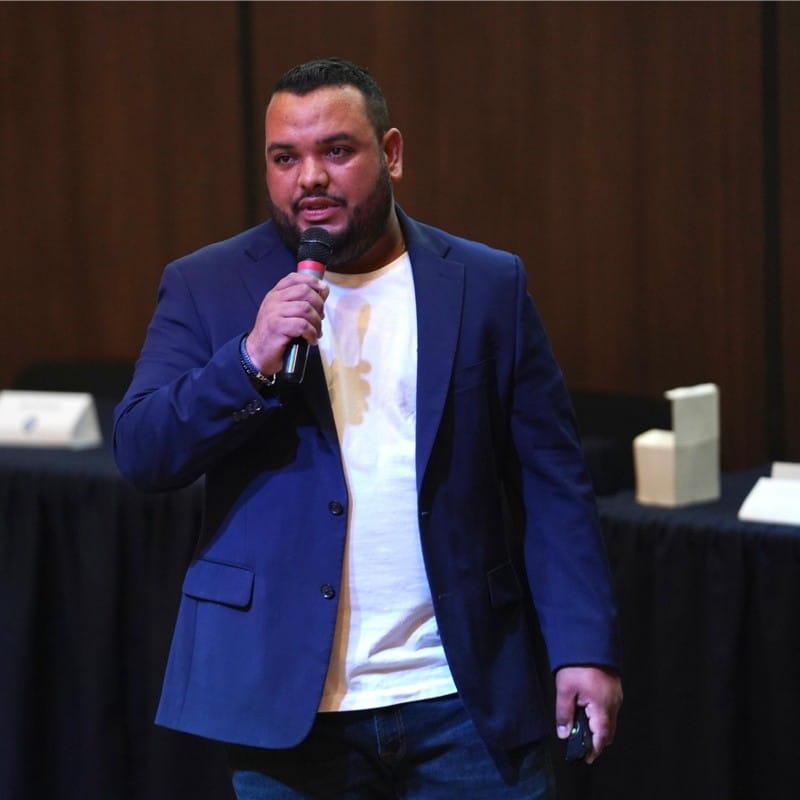
Gaspar Vallecillo Castro works with the Honduran Football Federation as a Technical Development Advisor in FIFA’s TDS program. A professional writer and CONMEBOL PRO licensed coach, he specialises in coach education and in the on-field application of positional play. Follow Gaspar on Twitter and LinkedIn.